How to organize a casual outdoor game day with snack breaks
· Editorial team newsfromhouston24.com
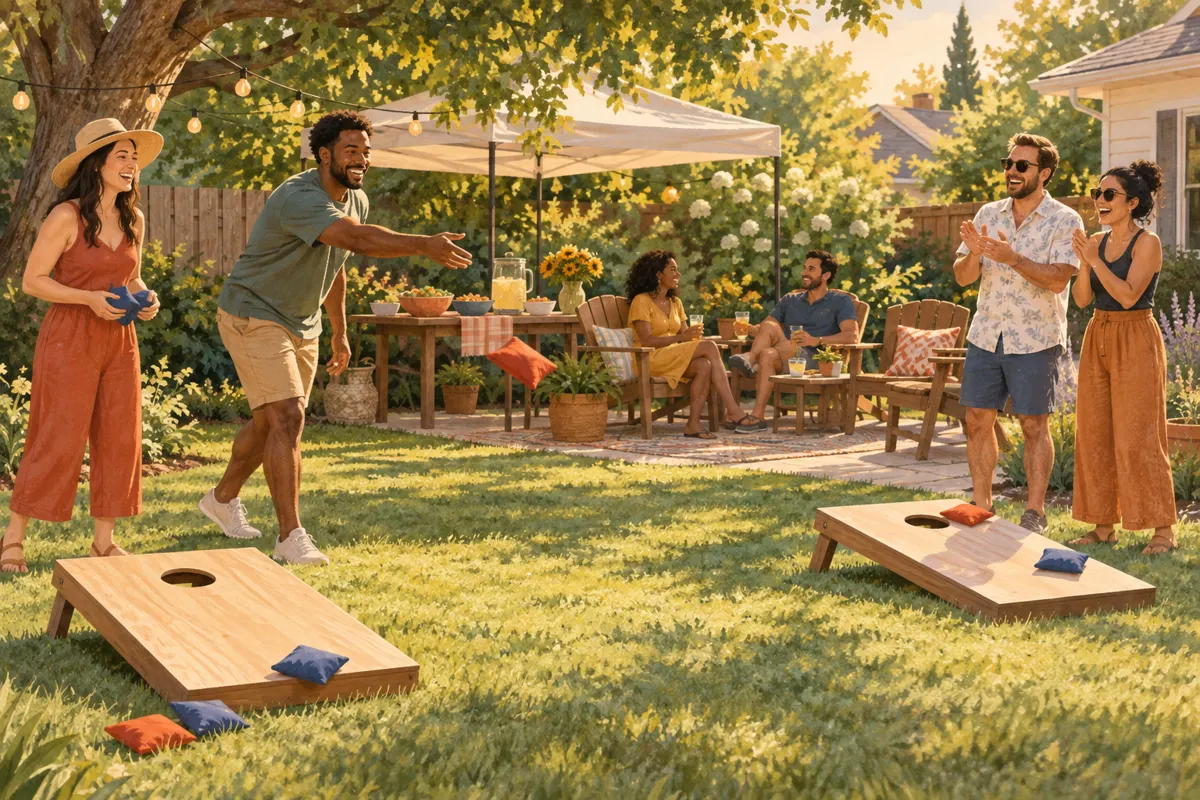
Choose three simple games, give each activity its own space, and set up a snack table away from throwing and running routes. Use short rounds with shared breaks so friends can switch activities, eat, and talk without feeling tied to a tournament. The proposed plan below keeps equipment and preparation manageable.
Set the plan before inviting friends
Start with the space you have and the people you want to invite. A small backyard may suit one tossing game and a seated activity; a larger open area gives you room for a walking relay. Choose games that allow guests to join, watch, or take a break comfortably.
- The location, start time, and approximate finish time.
- A request for comfortable shoes and clothing suited to being outdoors.
- Whether you are providing snacks or asking people to bring something specific.
- A request to share dietary needs and any preferences that affect participation.
- How you will communicate a change of plan if the weather is unsuitable.
Keep contributions specific: ask one person to bring a flying disc and another to bring cups, for example. Check what you already own before buying equipment. If using a shared outdoor space, confirm that your planned setup is permitted.
Choose three games with easy rules
For this proposed lineup, combine a target game, a gentle movement game, and a quieter group challenge. Explain each activity in a few sentences and demonstrate one turn. Agree on scoring before play begins, while leaving room to adjust distances or pace.
- Target toss: use cornhole if someone owns a set, or propose a simple beanbag toss toward a bucket. Mark a throwing line and let players choose a closer line when helpful.
- Walking relay: adapt an egg-and-spoon game by balancing a small reusable ball on a spoon. Players walk to a marker and back; if the ball falls, they stop and replace it.
- Scavenger hunt: prepare a short list of visible objects within a clearly defined area. Ask teams to spot and describe them, leaving plants and other people's belongings in place.
Offer a seated alternative, such as a familiar board game, for anyone who prefers less movement. Avoid making participation compulsory. Friends can keep score, cheer, or simply enjoy the conversation.
Separate play from food and seating
Set everything up before guests arrive. Give throwing games a clear direction, and place the food table outside that path. Keep chairs away from targets and relay routes. Guests should be able to reach snacks, drinks, and seating without crossing an active game.
- Walk through the area and move loose items, hoses, and furniture out of play routes.
- Mark each game's boundaries with cones or other clearly visible markers.
- Place the snack table and seating in a separate area, with shade where available.
- Leave a clear route between the entrance, seating, and food table.
- Put trash and recycling containers near the snack area, outside walking paths.
Check the forecast before setting out equipment. Decide in advance whether poor conditions mean moving indoors or postponing. If the gathering continues after daylight, make sure guests can see paths and game boundaries clearly.
Rotate activities around shared snack breaks
A proposed rhythm is a brief welcome, two short rounds, a snack break, and a final round chosen by the group. Try roughly 15 minutes per round as a starting point, then shorten or extend play according to interest. These timings are planning suggestions, not fixed rules.
For a small group, move between games together. For a larger gathering, divide into small groups and rotate at an announced pause. Finish the current turn before switching. Change partners occasionally, and keep any scorekeeping simple enough that the host can join in.
Announce snack breaks to everyone, while keeping water available throughout. Shared pauses give people a chance to reconnect with friends playing elsewhere. If one activity proves especially popular, let the group return to it rather than forcing every planned rotation.
Prepare snacks that let you join the fun
Choose food you can prepare ahead or set out with little assembly. Proposed options include pretzels, crackers, whole fruit, and simple cookies. Match the selection to guests' dietary needs, keep packaging available for ingredient checks, and provide separate serving utensils.
Arrange plates and napkins at one end of the table, followed by food, with drinks beside it to reduce crowding. Provide somewhere to wash hands before eating. Ask guests to leave plates and cups in the snack area before returning to play.
Finish with a shared tidy-up: collect game pieces, check the lawn for litter, and clear the snack table. Put equipment into its bags or boxes as you gather it so the next game day is easy to set up.