How to plan a use-it-up dinner from half-used ingredients
· Editorial team newsfromhouston24.com
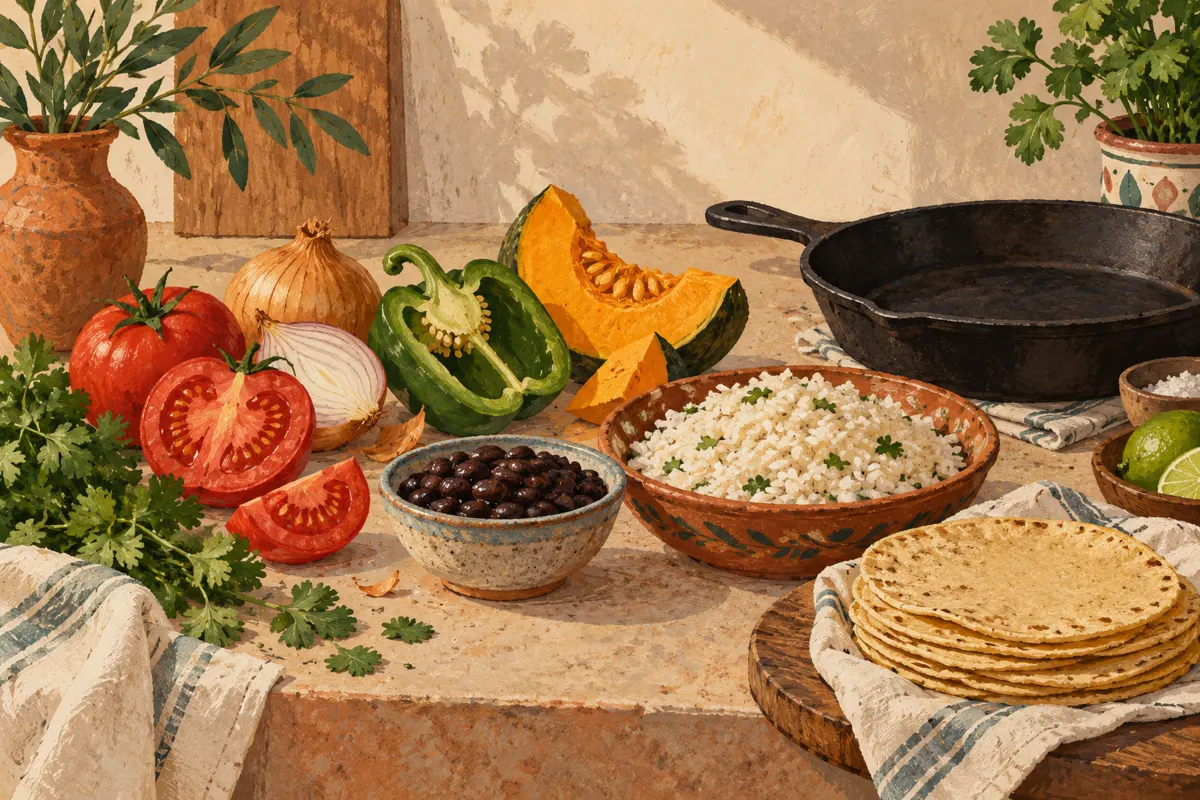
Plan a use-it-up dinner by listing what you have, choosing the ingredients that need attention first, and matching them to tacos, a grain bowl, or a skillet meal. Build around one filling base, add vegetables and protein, then finish with a sauce or herbs. The proposed method below lets the quantities follow your fridge instead of a fixed shopping list.
Take a quick inventory before choosing dinner
Check the fridge, freezer, and pantry before opening a recipe. Bring usable ingredients into view, including small containers and open packages. Check dates and storage history; leave out anything spoiled or whose safe storage you cannot establish. A use-it-up dinner does not need to include every remaining ingredient.
Use this proposed inventory template in a notebook or phone note. Record amounts in whatever units are easiest: half a pepper, a handful of herbs, or one cup of cooked rice.
- Vegetables: ingredient, approximate amount, raw or cooked, and priority for use.
- Protein: beans, tofu, eggs, or cooked meat; amount and storage date.
- Base: tortillas, rice, other grains, or pasta; amount and whether already cooked.
- Finishes: herbs, cheese, citrus, salsa, dressing, or another open sauce.
- Set aside: ingredients that suit another meal better.
Choose tacos, a grain bowl, or a skillet meal
Leftover meat and vegetables can become tortilla fillings, while vegetables and proteins can also be combined with rice or cooked in a stir-fry. Use the following proposed decision tree to choose a format from your inventory.
- Have tortillas and ingredients you can chop into small pieces? Choose tacos. Cook the filling, then add a little salsa, cheese, or herbs.
- Otherwise, have a grain and several ingredients you would prefer to keep separate? Choose a grain bowl. Arrange cooked vegetables and protein over the base, then add dressing.
- Otherwise, have vegetables and protein that work with one seasoning or sauce? Choose a skillet meal. Serve it with an available base, or stir a cooked base into the pan.
- If two options fit, choose the one that uses your highest-priority ingredients with the fewest additions.
Choose one flavor direction before combining sauces. For example, propose salsa and cilantro for tacos, lemon and olive oil for a bowl, or soy sauce and garlic for a skillet. You do not need all three combinations—or every condiment in the fridge.
Let the available amounts set the portions
As a proposed starting point for two servings, gather about two cups of chopped vegetables, one cup of cooked beans, tofu, or chopped cooked meat, and one to two cups of cooked grain—or four small tortillas. These are flexible cooking quantities, not nutritional targets. Adjust for appetite and what is available.
- Short on vegetables? Use the amount you have and make a smaller filling; add an available side.
- Only a little cooked meat left? Combine it with beans, or distribute it through the vegetables.
- Plenty of vegetables but little grain? Make vegetables the main component and use the grain underneath.
- Only a spoonful of sauce? Add it gradually, toss well, and taste before reaching for another condiment.
For example, half a zucchini, a carrot, some beans, and cooked rice suggest a bowl or skillet. With tortillas instead of rice, the same vegetables and beans can become a taco filling. Choose the format after counting the ingredients.
Cook in an order that suits the ingredients
- Prepare the base first if it needs cooking. Chop vegetables into manageable, similar-sized pieces.
- Start the skillet with a little oil and firmer raw vegetables, such as carrots. Add softer vegetables afterward.
- Add cooked beans, tofu, or cooked meat, followed by already-cooked vegetables. Reheat leftovers thoroughly.
- For a skillet meal, stir in the cooked grain and chosen sauce. For tacos or bowls, assemble the components separately.
- Taste before adding more seasoning. Finish with usable herbs, citrus, or cheese.
Keep watery toppings separate until serving if you want more texture. If the pan is crowded, cook the vegetables in batches, then combine them for the finish.
Turn what remains into the next meal plan
After dinner, update the inventory and grocery list together. Note what was used, what remains, and which missing ingredient would help complete another meal. Store leftovers in suitable airtight containers and label them with the date so older food is easier to identify and prioritize.
As a proposal, keep one short note about combinations you liked: vegetables used, base chosen, and sauce added. Next shopping day, that note can help you turn another collection of partial ingredients into dinner.